
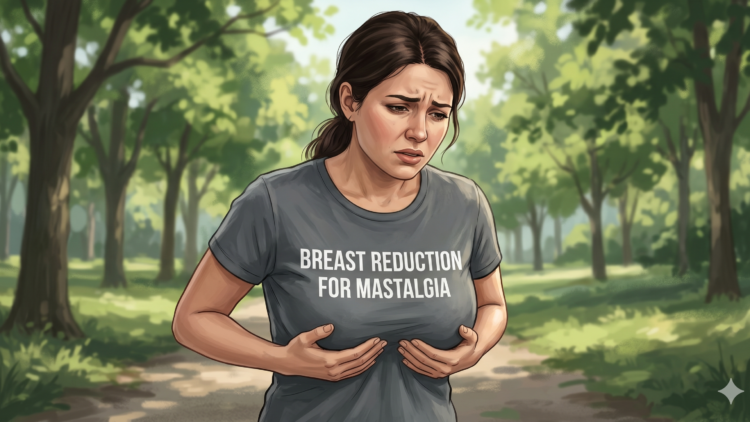
When Medication Fails: Breast Reduction as a Cure for Intractable Mastalgia
Estimated reading time: 4 minutes
This research on Breast Reduction for Breast Pain, conducted by surgeons at King Khalid University (Abha, Saudi Arabia) and the Medical Research Institute at Alexandria University (Alexandria, Egypt), was published in The Egyptian Journal of Surgery in June 2023 .
Table of contents
The Agony of Intractable Breast Pain
Mastalgia, or breast pain, is an incredibly common condition that drives 70% to 80% of women to seek medical help during their lifetimes . For many, the pain is tied to hormonal fluctuations, presenting as swelling and tenderness .
While conservative measures or prescription drugs (like NSAIDs, tamoxifen, or danazol) often help, some patients experience “intractable” pain . This means the pain is severe, constant, and completely unresponsive to medical therapy. For women who also have large breasts, this pain is frequently compounded by severe back, neck, and shoulder aching .
The 2023 Study: Surgery as a Solution
Published in June 2023, researchers in Saudi Arabia and Egypt investigated whether surgery could cure what medication could not .
The retrospective study analyzed 50 female patients with an average age of 41.1 years .
- Every patient in the study had large breasts (Cup D or larger) .
- The women had suffered from intractable mastalgia for an average of 19 months without any relief from other treatments .
- The surgeons performed therapeutic reduction mammoplasties, removing an average of 1,665 grams of tissue per side .
The Dramatic Results
The study confirmed that reduction mammoplasty is a highly effective treatment for unmanageable breast pain .
- Plummeting Pain Scores: On a 10-point visual analog scale (VAS), the average mastalgia pain dropped from a severe 6.0 before surgery down to just 2.1 at the six-month mark .
- Posture Relief: Patients also experienced a statistically significant reduction in both shoulder and back pain .
- High Satisfaction: Ultimately, 88% of the women (44 out of 50 patients) reported being highly satisfied with their surgical outcomes .
(Note: Supplementing these specific findings, global literature from the American Society of Plastic Surgeons strongly echoes these results. Widespread data consistently shows that treating symptomatic macromastia surgically offers one of the highest improvements in physical quality-of-life metrics across all modern surgical procedures).
The 4 “Red Flags” for Satisfaction
While the vast majority of patients were thrilled with their results, the researchers identified four specific lifestyle and anatomical factors that negatively impacted post-surgery satisfaction :
- Smoking: Nicotine constricts blood vessels and is known to aggravate fibrocystic breast disease, reducing the pain-relieving benefits of the surgery .
- High Caffeine Consumption: Caffeine contains methylxanthine, which can increase catecholamine levels and worsen breast density and pain .
- Oral Contraceptive Pills (OCPs): Long-term use of OCPs that continued after the surgery was linked to persistent discomfort .
- High Breast Density: Patients with highly dense glandular tissue (ACR Type D) experienced less relief, likely because the dense tissue left behind continued to trigger mastalgia symptoms .
If you fit into any of these categories, you may need special preoperative counseling or to abstain from smoking and caffeine before undergoing surgery to ensure the best possible results .
Frequently Asked Questions (FAQ)
Q: What is the difference between cyclic and noncyclic mastalgia?
A: Cyclic mastalgia is tied to the menstrual cycle and is usually caused by hormonal water retention and edema in younger women . Noncyclic mastalgia is often a sharp, burning pain that is unrelated to periods and typically affects older women in their 40s and 50s .
Q: Why don’t doctors just prescribe more medication for the pain?
A: Heavy-duty hormonal drugs like danazol and tamoxifen can reduce pain, but they carry severe side effects. These include deep venous thrombosis, osteoporosis, weight gain, and even irreversible voice deepening, which force many women to stop taking them .
Q: How fast does the breast pain go away after surgery?
A: According to the study data, significant improvement in mastalgia was noticed as early as the first postoperative month .